
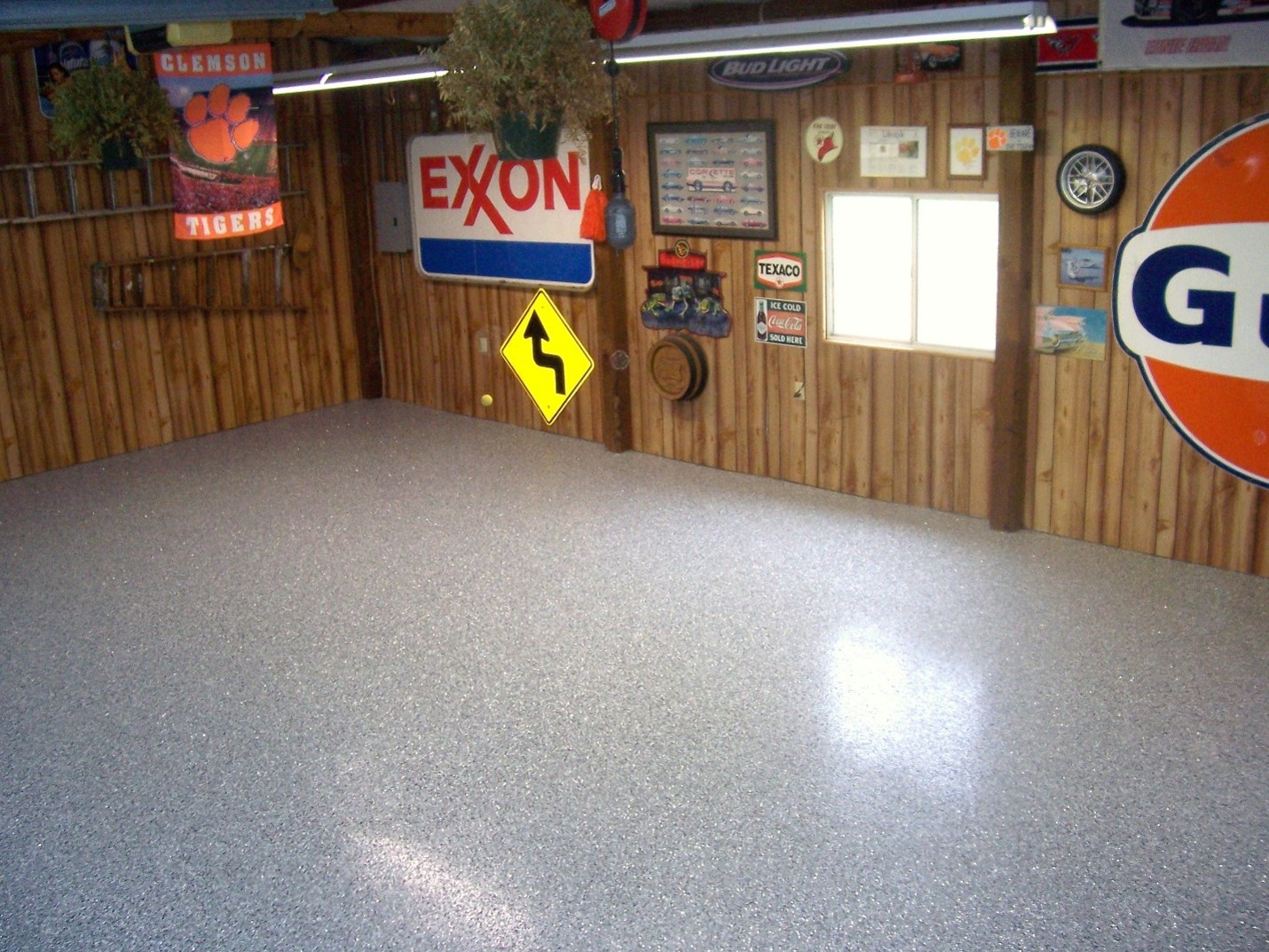
Preparing concrete surfaces properly takes significant time before applying any liquid coatings. A solid garage floor Anderson project starts with aggressive mechanical grinding to open up concrete pores. Stripping off old sealers and those pesky oil spots, too, helps fresh material grab right onto raw stone. You really need dust vacuums running non-stop here, mostly to keep nasty silica out of the air. Any cracks in the slab? Clean them out deep and pack them tight with heavy-duty polymer. Skip these early steps, and you risk quick peeling down the road, plus sudden damage.
Selecting High-Quality Epoxy Resins
These thick liquid coats have two key parts you must mix just right. Choosing an epoxy floor Anderson installation means picking between hundred percent solids and solvent formulations. Full solid products offer much thicker protective layers that resist heavy vehicle tire marks. Solvent options dry faster but usually leave behind thinner coats that wear down sooner. Professional installers mix small batches to prevent the chemical reaction from hardening inside bucket containers. Applying the material evenly requires notched squeegees followed by heavy rolling with textured covers.
Broadcast Flakes For Extra Grip
Spreading decorative vinyl flakes into fresh wet resin adds traction and custom color patterns. Homeowners planning a garage floor Anderson renovation often pick vinyl chip blends to hide dirt accumulation. Throwing chips high into the air allows them to drop evenly across wet surfaces. The installer must work quickly before the base coat begins setting up tight. Once the base coat cures fully, excess loose chips get scraped and vacuumed away. Broad flake coverage turns slippery smooth concrete into a safer walking area for families.
Applying Clear Protective Top Coat
Sealing the decorative layer requires a durable clear top coat designed for high impact. A popular epoxy floor Anderson setup uses polyaspartic clear coats for UV resistance and quick curing. This clear top shield prevents harsh motor oils and chemicals from staining underlying color coats. The liquid flows out smoothly while filling gaps around exposed decorative flake edges nicely. Good top coats guard your floor from hot tires in the summer. Give that clear finish time to dry fully so heavy trucks will not leave bad marks.
Routine Maintenance Cleaning Practices
Maintaining finished concrete surfaces requires minimal daily effort compared to untreated raw floors. Owners of an Anderson garage floor system should sweep away loose grit using soft bristle brooms. Regular sweeping stops coarse dirt from scratching the smooth clear top protective finish over time. Mopping with neutral pH cleaners removes oily residue without dulling the glossy clear shine. Avoid using aggressive acidic chemicals or abrasive scouring pads during routine weekly cleaning tasks. Promptly wiping up spilled fluids keeps the coated floor looking fresh for many years.
Handling Moisture In Concrete Foundations
Excess moisture vapor rising from the ground soil can cause liquid floor coatings to bubble up. Testing moisture levels in concrete slabs is crucial before applying any epoxy floor Anderson products. High moisture readings require special deep-penetrating vapor barrier primers to seal damp concrete pores. Installing vapor barriers prevents hydrostatic pressure from forcing thin coatings off the slab surface. Technicians place testing kits directly on bare stone to measure humidity releases over time. Taking proper moisture measurements prevents costly coating repairs and unexpected floor failures in humid seasons.
Long-Term Value Of Coatings
Investing in heavy-duty concrete protection raises overall property appeal and utility space functionality. A restored garage floor Anderson surface resists harsh road salt corrosion during cold winter months. Unprotected concrete eventually cracks and flakes away when exposed to continuous freezing and thawing cycles. Modern polymer systems form continuous seamless barriers that shield raw concrete from destructive environmental elements. Clean, glossy surfaces improve indoor light reflection, making dark workspace areas much brighter naturally. Property owners enjoy cleaner spaces that demand very little ongoing repair work over time.
Conclusion
Upgrading residential concrete surfaces with modern coating materials provides long-lasting protection against daily wear. Visiting carolinaflooringspecialists.com gives property owners access to experienced specialists who understand concrete preparation requirements. Proper mechanical grinding paired with high-quality polymer resins creates strong surfaces that withstand heavy vehicle traffic easily. Choosing appropriate decorative flakes and durable protective top coats keeps utility spaces looking neat and functional. Following routine maintenance steps keeps coated surfaces clean without requiring expensive specialized cleaning tools or chemicals. Feel free to contact our local team today to discuss your next floor improvement project with us.