
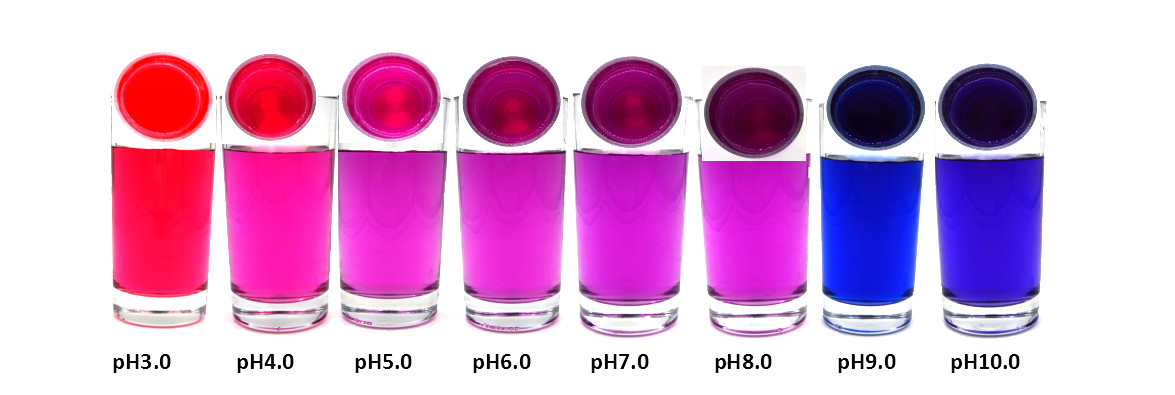
There was a time when a dessert table was able to astonish the guests not based on taste, but on color. Dark violet icing and glowing crimson glaze immediately attracted all the eyes. Before food turns out to be a taste sensation, it has always been a visual experience. This paper discusses the role of natural colors in changing perception, namely the strength and intent of purple color when used in food, and natural red food color as used in contemporary culinary preparations.
The Psychology Behind Edible Hues
Before taking the first bite, color has a silent effect on appetite, mood and expectations. Purple implies luxury, creativity, and exquisiteness, whereas red implies sweetness, maturity and excitement. Food professionals know that aesthetics determine buying behavior. Natural red food color shades are currently taking the centre stage in the industry as people are increasingly insisting on bright colours that are naturally produced through fruits, vegetables and plant extraction as opposed to artificial flavours.
Evolution Of Plant-Based Colorants
Several centuries ago, chefs used berries, roots, and petals to add color to food. Broths were made richer with beet juice, and desserts were made with crushed berries. Food science nowadays perfects those practices by extracting them accurately. There is much interest in the color purple in food, particularly with foods such as purple sweet potato, butterfly pea flower, and black carrot, providing the appearance as well as the nutritional value.
Purple Shades In Culinary Innovation
The emergence of social media platforms where the visual appeal proves to be an essential element has increased the value of the bold plating. Purple tints are exotic and luxurious in terms of lavender macarons or acai smoothie bowls. Food manufacturers and chefs are now looking at the stable formulations of purple food color resistant to heat, light, and pH changes without compromising the brightness and safety quality of food.
Red Pigments From Nature
Red has been associated with passion and freshness in food. The natural taste of tomatoes, pomegranates, strawberries, and paprika adds pleasant flavors to the dishes. Contemporary manufacturers are oriented to using natural red color of food based on beetroot, hibiscus and red cabbage. The sources are reliable in delivering pigmentation, and they are in line with the clean-label trends with a focus on transparency and familiar ingredients among conscious consumers.
Clean Label Movement Influence
Customers are becoming more critical of the ingredients and are demanding natural instead of artificial shine. Artificial dyes are used to color processed foods, but changing consciousness will compel brands to use botanical ones. The need for natural red food color is still on the increase as companies repackage beverages, candies and baked goods. Meanwhile, the manufacturers develop purple color for food to satisfy international standards and stability needs.
Market Trends And Future Outlook
The trend in the purchasing of plant-derived pigments is globally indicative of trends of wellness that inform purchasing behaviors. Natural red food color has innovative extraction technologies that improve vibrancy and shelf life, which is reliable in the dairy category, confectionery, and beverage types. In the meantime, the ongoing experiment with the purple color in food signifies the growing food creativity and business across the globe.
Conclusion
Color characterizes first impressions and long-term recollections of all dining experiences. To have more information and get effective solutions, refer to foodrgb.com. The future of food aesthetics is plant-based genius, considerate sourcing and scientific perfection. As the level of innovation improves, it is probable that the consumption of natural red food color and purple color as food will also be enlarged and this will further affect the way menus, production and expectations of consumers will be in the next few years.
